Rice Cake Nutrition Optimizer
Plain rice cakes have a high glycemic index, which can cause sugar spikes. Select toppings below to see how you can "stop" the spike and make your snack more filling.
Choose Your Toppings:
Nutrition Analysis:
Select a topping to analyze your snack...
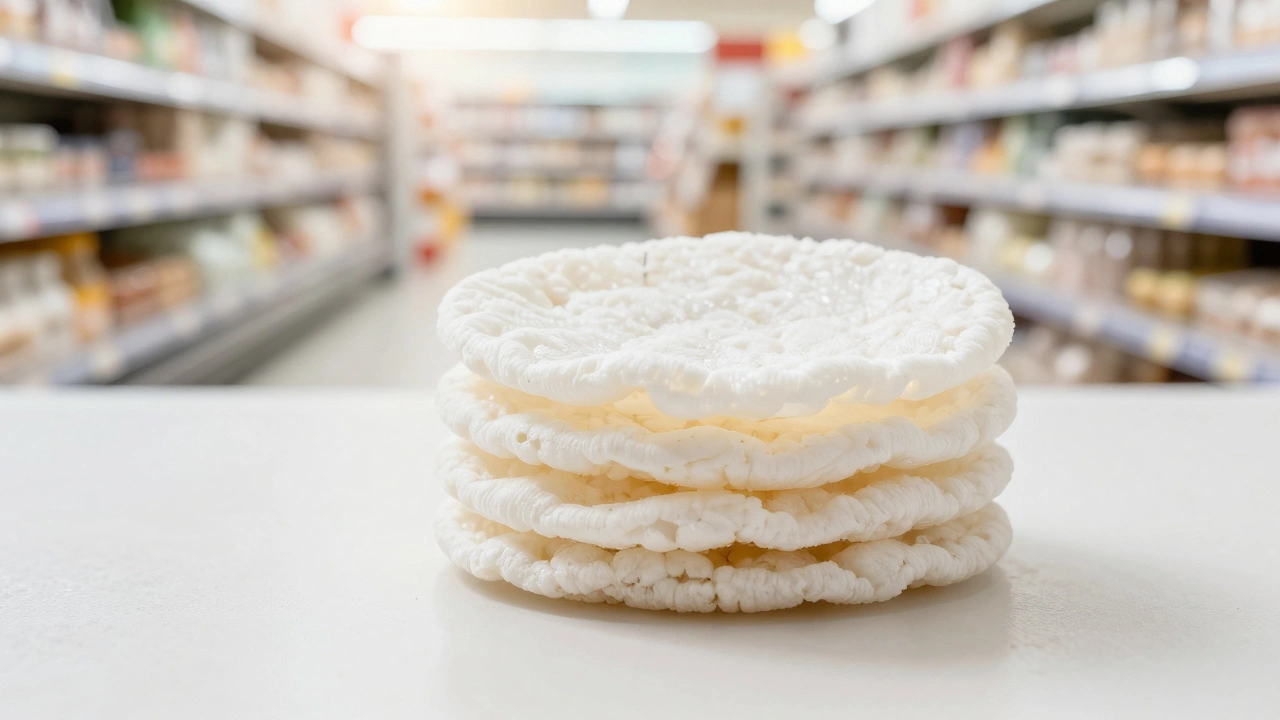
To get a real answer, we have to look at what happens to a grain of rice when it becomes a cake. Most of these snacks are made through a process called extrusion. Basically, Rice Cakes is a puffed grain snack created by applying heat and pressure to rice, which causes the starch to expand and create a light, airy texture. While they seem innocent, the processing strips away much of the natural nutrition and changes how your body handles the sugar in the grain.
The Quick Breakdown: The Good and the Bad
Before we get into the weeds, here is the fast version of what you need to know about these snacks.
- The Win: They are incredibly low in calories and usually free from common allergens like gluten and dairy.
- The Catch: They have a high glycemic index, meaning they can spike your blood sugar quickly.
- The Reality: They aren't "healthy" in terms of nutrients, but they aren't "junk" in the way a deep-fried chip is. They are essentially a blank canvas.
Why the Glycemic Index Matters
If you're watching your blood sugar, you need to know about the Glycemic Index (GI). This is a rating system for foods containing carbohydrates, indicating how quickly the carbohydrate in food raises blood glucose levels.
Whole grains have a lower GI because the fiber slows down digestion. However, the puffing process in rice cakes breaks down the starch structures. This makes it incredibly easy for your enzymes to turn that starch into glucose. For someone with Type 2 Diabetes or insulin sensitivity, eating a few plain rice cakes on an empty stomach can cause a sugar spike followed by a crash, leaving you feeling tired and hungry an hour later.
Comparing Different Types of Rice Snacks
Not all puffed rice is the same. If you're looking for healthy indian snacks, you've probably encountered Murmura (puffed rice) or Mamra. While they share the same basic structure as Western rice cakes, the way we eat them makes a huge difference in the nutritional outcome.
| Feature | Processed Rice Cakes | Traditional Murmura | Brown Rice Cakes |
|---|---|---|---|
| Processing | High-pressure extrusion | Sand-roasting/Heat | Extrusion (Whole grain) |
| Caloric Density | Very Low | Low | Low |
| Fiber Content | Negligible | Low | Moderate |
| Common Pairings | Avocado, Nut butter | Peanuts, Onions, Lemon | Hummus, Seed butter |
The Nutritional Gap: What's Missing?
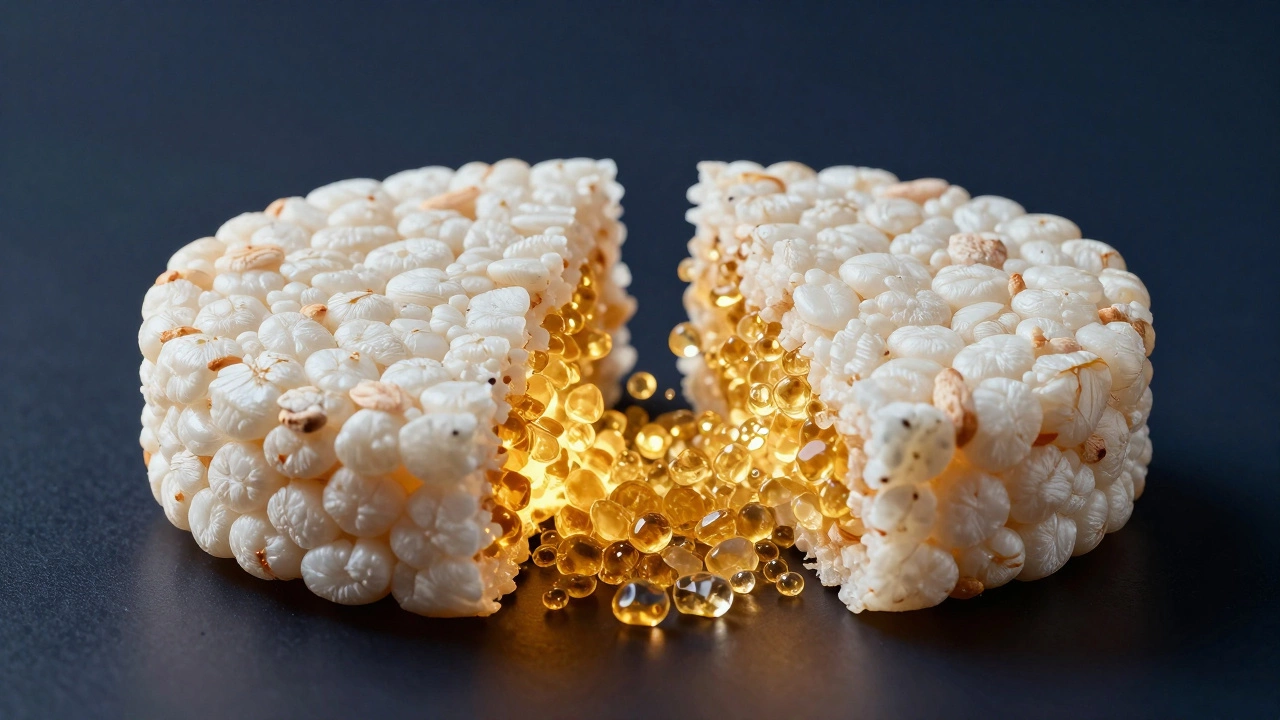
When we talk about "healthy" food, we usually mean nutrient-dense food-things packed with vitamins, minerals, and protein. Rice cakes fail this test. Most white rice cakes are stripped of the husk and bran, which is where the B Vitamins and magnesium live.
If you eat a rice cake by itself, you're getting almost nothing but refined carbohydrates. This is why they don't keep you full. Your body processes them so fast that they barely register as a meal. To make them a viable part of a diet, you have to add "stoppers"-fats and proteins that slow down the absorption of those carbs.
How to Turn a Rice Cake Into a Healthy Meal
Since a rice cake is basically a cracker made of air, the magic happens in the toppings. If you treat the cake as a delivery vehicle for nutrients, it becomes a great tool for portion control. Instead of eating a giant piece of toast, use a rice cake to hold high-value foods.
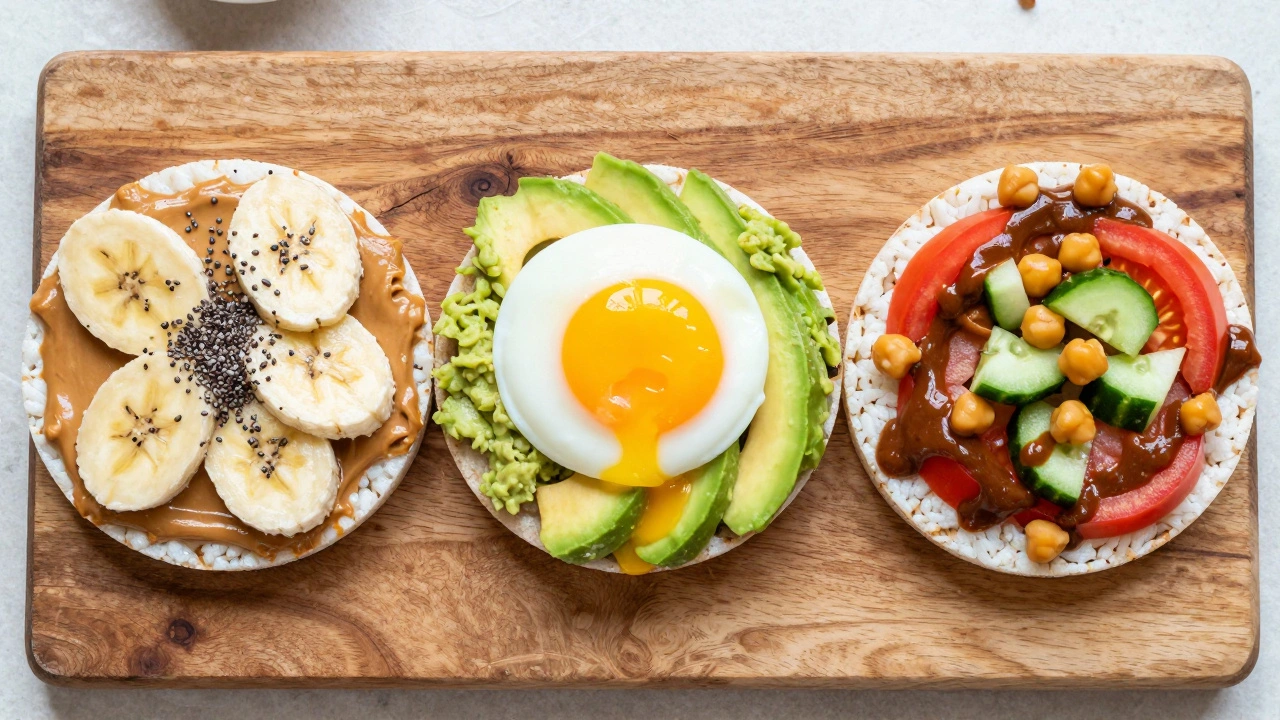
- The Protein Powerhouse: Spread a thin layer of almond butter or peanut butter and top it with sliced bananas and a sprinkle of chia seeds. The healthy fats from the nuts counteract the high GI of the rice.
- The Savory Start: Smash half an avocado with lime and salt, then top it with a poached egg. The protein in the egg and the monounsaturated fats in the avocado keep you satiated for hours.
- The Indian Twist: Think of a rice cake like a flat papadum. Top it with a mixture of boiled chickpeas, chopped cucumbers, tomatoes, and a drizzle of tamarind chutney. This turns a low-nutrient snack into a fiber-rich mini-salad.
Common Pitfalls and Marketing Traps
Be careful with the "flavored" versions of rice cakes. While a plain cake might have 35 calories, a "Caramel" or "White Cheddar" version often contains added sugars, artificial flavorings, and excessive sodium. If the ingredient list looks like a chemistry textbook, you're no longer eating a health food; you're eating a processed snack with a health-food image.
Another trap is the "Brown Rice" label. While Brown Rice is generally better than white rice because it retains the bran, the puffing process still destroys much of the fiber's structural integrity. It's a step up, but it's not a superfood.
Who Should Avoid Them?
While most people can enjoy rice cakes in moderation, a few groups should be cautious. People with Hyperinsulinemia or those trying to strictly manage their blood glucose levels should avoid eating them alone. If you find that you get "hangry" shortly after eating them, it's a sign that your blood sugar is spiking and crashing.
Similarly, if you are trying to build muscle, don't rely on rice cakes for your pre-workout energy. While they provide quick glucose, they lack the sustained energy that a complex carb like oats or a sweet potato provides. You'll likely hit a wall much sooner during your workout.
Do rice cakes cause weight gain?
Not directly. Rice cakes are very low in calories, so they won't make you gain weight on their own. However, because they aren't filling, they can lead to overeating later in the day if you use them as a meal replacement.
Are rice cakes better than bread?
It depends on your goal. For calories, rice cakes win. For nutrition and satiety, sprouted grain or sourdough bread is far superior because of the protein and complex fibers that keep you full longer.
Can I eat rice cakes every day?
Yes, as long as you don't eat them plain. Pairing them with a protein (like cottage cheese or eggs) and a healthy fat (like avocado) makes them a balanced daily snack.
Is brown rice cake significantly healthier than white?
Slightly. Brown rice cakes offer a bit more magnesium and a small amount of extra fiber, but the difference in the glycemic response is smaller than you'd expect because of the puffing process.
Are they a good option for weight loss?
They can be, provided you use them to satisfy the "crunch" craving without consuming the high calories of potato chips. Just remember to add protein so you don't end up binge-eating later due to hunger.
Next Steps for Better Snacking
If you love the light texture of rice cakes but want more nutrition, try diversifying your pantry. Look for cakes made from quinoa, amaranth, or sorghum. These ancient grains often provide more protein and a more complex amino acid profile than plain white rice.
If you're craving something savory and healthy, try making a homemade Bhel Puri using puffed rice (murmura). By adding fresh vegetables and a protein source like roasted peanuts, you transform a simple puffed grain into a nutrient-dense snack that satisfies your taste buds without crashing your energy levels.