Indian Regional Lunch Explorer
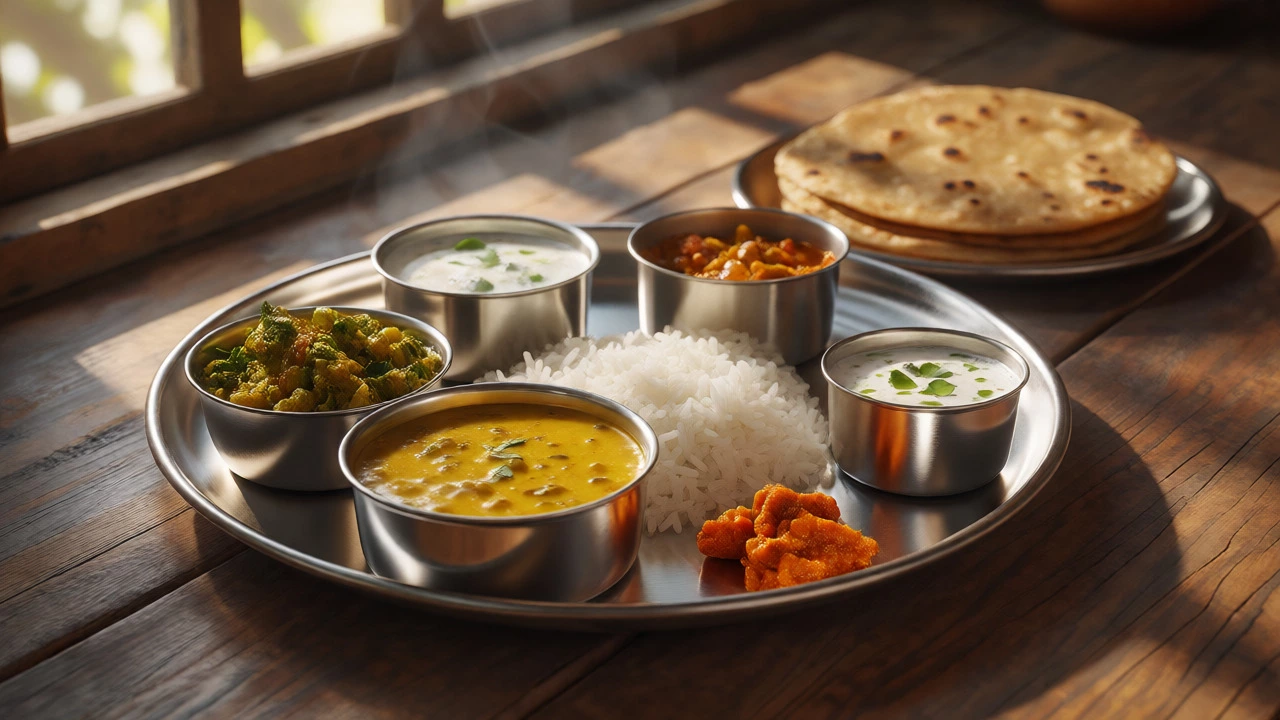
Select a region to visualize the typical components of a traditional Indian lunch (Thali). This tool highlights how geography influences diet, from wheat-based north to rice-heavy south.
Staple Grain
Wheat (Roti)
Key Characteristics
- • Heavy use of dairy (ghee, paneer)
- • Wheat-based breads dominate
- • Calorie-dense for cold winters
The Thali Composition
In North India, particularly Punjab and Rajasthan, the lunch plate revolves around roti. These whole-wheat flatbreads are often cooked in ghee and paired with thick dals or dry vegetable curries.
You might assume that dinner is the biggest event on the plate for everyone. In many Western countries, the evening meal is where families gather, cook elaborate dishes, and eat their heaviest calories. But if you travel across India, a South Asian country known for its diverse culinary traditions and vast cultural landscape, you will find a different rhythm. For most Indians, the main meal of the day is not dinner. It is lunch.
This isn't just a habit; it's a biological and logistical reality shaped by climate, work schedules, and centuries of agricultural tradition. Understanding why lunch dominates the Indian dining table helps explain everything from office culture to family dynamics. If you are planning a trip, working with Indian colleagues, or just curious about global eating patterns, knowing this distinction changes how you interact with the food.
The Lunch-First Culture: Why Midday Wins
In most parts of India, lunch is the anchor meal. This structure stems largely from the agrarian roots of the society. Farmers need substantial energy during the hottest part of the day to work in the fields. Eating a heavy meal at night, when activity levels drop, leads to lethargy and poor digestion. Conversely, consuming the bulk of your calories between 1:00 PM and 2:30 PM ensures you have fuel for the afternoon.
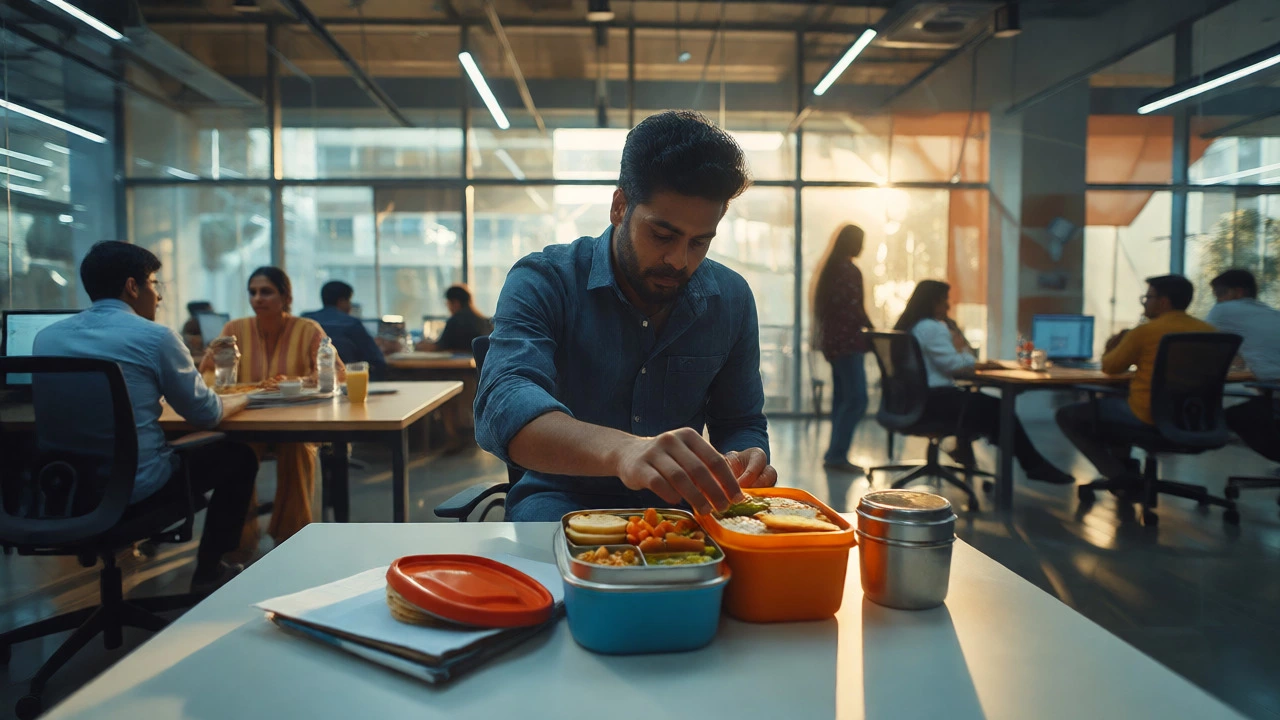
Even in urban centers like Mumbai, Delhi, or Bangalore, this pattern holds. Office workers often take long lunch breaks specifically to enjoy a proper home-cooked style meal. The concept of "tiffin"-packed lunches brought from home-is legendary. These tiffins usually contain rice, roti (flatbread), dal (lentils), and vegetables. They are designed to be eaten at room temperature or slightly warmed, providing sustained energy without the heaviness that might make you want to nap immediately after eating.
Dinner, by contrast, is often lighter. It might consist of leftovers from lunch, simple khichdi (rice and lentil porridge), or light snacks like idli or dosa. In many households, dinner is served early, around 7:30 PM or 8:00 PM, allowing time for digestion before sleep. This contrasts sharply with European or American norms where late-night dinners are common.
Regional Variations: North vs. South vs. East
While lunch is generally the main meal, what constitutes that meal varies wildly across the subcontinent. India is not a monolith. The staple grains, cooking oils, and flavor profiles shift dramatically every few hundred kilometers.
| Region | Primary Staple | Typical Lunch Components | Distinctive Feature |
|---|---|---|---|
| North India | Wheat (Roti/Chapati) | Roti, Dal, Sabzi (Vegetables), Salad, Pickle | Heavy use of dairy (ghee, paneer) and wheat-based breads. |
| South India | Rice | Rice, Sambar, Rasam, Poriyal (stir-fry veggies), Curd | Emphasis on fermented foods, coconut, and tamarind. |
| East India | Rice | Rice, Fish Curry, Lentils, Bhaat (plain rice) | Fish is a primary protein source; mustard oil is commonly used. |
| West India | Mixed (Rice & Wheat) | Roti/Rice, Bhaji, Farsan (snacks), Chutney | Gujarati meals are often sweet-salty; Maharashtrian meals are spicy. |
In North India, particularly Punjab, Haryana, and Rajasthan, the lunch plate revolves around roti. These whole-wheat flatbreads are often cooked in ghee (clarified butter) and paired with thick dals or dry vegetable curries. The meal is calorie-dense to combat the cold winters and physical labor.
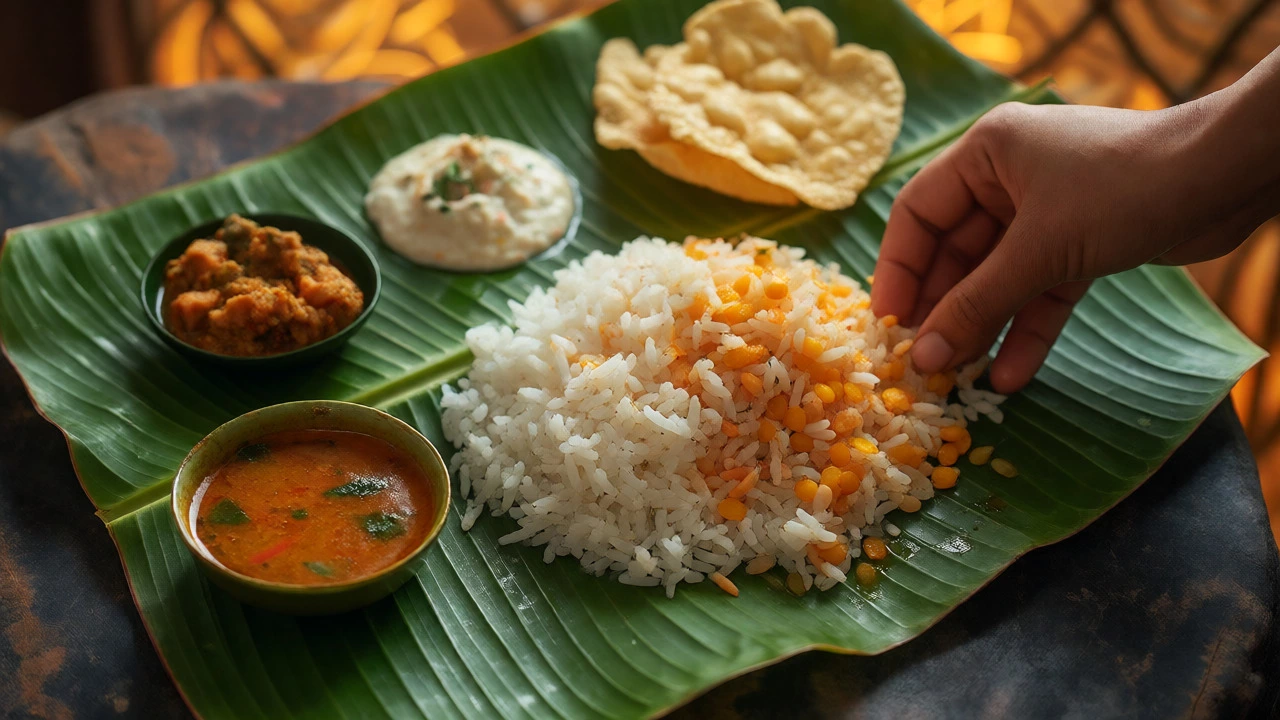
Head south to Tamil Nadu or Kerala, and rice takes center stage. Here, the lunch is often served on a banana leaf. You start with plain rice mixed with sambar (a lentil and vegetable stew) and rasam (a tangy soup). The meal progresses through various side dishes, ending with curd rice. The fermentation involved in making idli and dosa batter aids digestion, which is crucial in the hot, humid climate.
In Bengal and Odisha, fish is king. A typical Bengali lunch includes machher jhol (fish curry), followed by shukto (a bitter vegetable dish) and finally, sweets like mishti doi. The sequence matters because it balances flavors and aids nutrient absorption.
The Anatomy of the Thali
If you order a meal in an Indian restaurant or visit a home, you will likely encounter the Thali. This is not just a plate; it is a nutritional system. The word "thali" refers to a large platter containing small bowls called katoris.
A complete thali aims to include all six tastes recognized in Ayurveda: sweet, sour, salty, bitter, pungent, and astringent. This balance is believed to keep the body healthy and satisfied. When you look at a standard vegetarian thali, you see:
- Carbohydrates: Rice or Roti.
- Proteins: Dal (lentils) or Paneer (cheese).
- Fats: Ghee or oil used in cooking.
- Vitamins/Minerals: Seasonal vegetables (sabzi).
- Probiotics: Dahi (yogurt) or buttermilk.
- Digestive Aids: Pickles, papad (crisp wafers), and salad.
Eating from a thali encourages mindful eating. Because the food is compartmentalized, you tend to eat smaller portions of each item rather than piling one ingredient high. This naturally regulates portion sizes, which might explain why traditional Indian diets are associated with lower rates of obesity compared to Western diets, despite being carb-heavy.
Breakfast: The Quick Start
Since lunch is the heavy hitter, breakfast in India is typically quick and light. The goal is to wake up the metabolism without weighing you down. In the north, you might have parathas (stuffed flatbreads) with yogurt and pickle, or simply tea and biscuits. In the south, breakfast is often idli (steamed rice cakes) or dosa (fermented crepes) served with chutney and sambar.
These breakfasts are rarely eaten alone. They are social moments, often accompanied by chai (spiced milk tea). However, they are not meant to sustain you until dinner. By 11:00 AM, many Indians feel hungry again, leading to mid-morning snacks like fruits, nuts, or street food chaat. This snacking bridge helps prevent overeating at lunch.
How Modern Life Is Changing the Rules
Is lunch still the main meal for everyone? Not necessarily. Urbanization and globalization are shifting habits. Young professionals in tech hubs like Bangalore or Hyderabad often skip traditional home-cooked lunches due to tight deadlines. They might opt for fast food or grab-and-go options.
Additionally, the influence of Western fitness trends has led some health-conscious individuals to reverse the pattern. They may choose intermittent fasting, skipping breakfast and making dinner the largest meal. Or, they might follow a low-carb diet, reducing rice and roti intake significantly.
However, even among the modern elite, the emotional connection to lunch remains strong. Weekends are often reserved for elaborate lunches. Family gatherings, festivals, and celebrations almost always center around a midday feast. Dinner stays casual. This suggests that while convenience may alter weekday routines, the cultural DNA of the "big lunch" persists.
Practical Tips for Visitors and Hosts
If you are visiting India or hosting Indian guests, understanding meal timing prevents awkwardness.
- Schedule Meetings Carefully: Avoid booking important meetings between 1:00 PM and 2:30 PM. People value their lunch break. If you must meet then, expect a short, focused interaction.
- Respect Dietary Restrictions: Many Indians are vegetarian for religious or ethical reasons. Even non-vegetarians often avoid meat on specific days. Always ask before serving food.
- Offer Water Wisely: In traditional settings, water is consumed sparingly during meals to aid digestion. Wait until after the meal to offer large amounts of liquid.
- Expect Spice Levels to Vary: "Spicy" in India means something different than in the West. Start mild and let them adjust the heat themselves.
For hosts, serving a balanced thali-style spread shows respect for the guest's comfort. Include a variety of textures and temperatures. Serve the meal on a clean plate or banana leaf if possible for authenticity.
Why This Matters for Your Health
Adopting the Indian lunch-first approach could benefit anyone struggling with weight management or energy crashes. Eating your largest meal when your metabolism is highest (midday) aligns with circadian rhythms. Research in chrononutrition suggests that our bodies process insulin more efficiently earlier in the day. By saving lighter meals for the evening, you may improve sleep quality and reduce acid reflux.
You don't have to eat sambar to get these benefits. Simply shifting your calorie distribution so that lunch is bigger than dinner can yield results. Try packing a hearty salad with protein and complex carbs for lunch, and keep dinner simple-perhaps a soup and some grilled veggies.
Frequently Asked Questions
Is dinner ever the main meal in India?
Generally, no. Dinner is usually lighter and served earlier in the evening. However, in some metropolitan areas with late working hours, or during special occasions and parties, dinner can become the main meal. But traditionally, lunch holds the top spot.
What do people eat for lunch in North India?
A typical North Indian lunch consists of rotis (whole wheat flatbreads), dal (lentil soup), sabzi (seasonal vegetable curry), salad, pickles, and sometimes raita (yogurt sauce). Rice is also common, especially in certain communities.
Why is lunch considered the most important meal in India?
It stems from agricultural traditions where farmers needed maximum energy during the day. Additionally, Ayurvedic principles suggest that digestion is strongest at noon, making it the ideal time to consume heavier foods. Climate also plays a role, as eating heavy meals at night in warm weather can cause discomfort.
Do Indians eat breakfast?
Yes, but breakfast is typically light and quick. Common items include idli, dosa, paratha, poha, upma, or simply tea and biscuits. It is not intended to be a large, sustaining meal like lunch.
What is a thali?
A thali is a large platter containing several small bowls of different dishes. It is designed to provide a balanced meal with carbohydrates, proteins, fats, vitamins, and digestive aids, covering all six tastes recognized in Ayurveda.