Indian Vegetarians: What They Eat, Why They Eat It, and How to Cook Like Them
When you hear Indian vegetarians, people in India who avoid meat, fish, and eggs, often following cultural, religious, or health-based dietary rules. Also known as lacto-vegetarians, it includes millions who eat dairy but exclude all animal flesh, making it one of the largest vegetarian populations in the world. This isn’t just a diet choice—it’s woven into daily life, family meals, temple offerings, and regional traditions. Unlike Western vegetarianism, which often focuses on health or ethics, Indian vegetarianism is deeply tied to dharma, non-violence, and spiritual purity. Many families have followed this way of eating for generations, and it’s not uncommon to find homes where even onions and garlic are avoided during certain times of the year.
What do these households actually eat? Think strict Indian vegetarian, a diet that excludes not just meat, but also eggs, honey, and sometimes root vegetables like onions and garlic, based on Ayurvedic or religious principles meals built around lentils, legumes, whole grains, and seasonal vegetables. Roti, dal, rice, and curd are daily anchors. Breakfast isn’t toast and jam—it’s idli with coconut chutney or poha tossed with mustard seeds and curry leaves. Lunch might be chana masala with jowar roti and a side of pickle. Even desserts like kheer use milk and jaggery, not refined sugar. The key? Flavor comes from spices, fermentation, and technique—not meat or animal products. And yes, you can still eat rich, satisfying food without dairy—many South Indian and Jain communities have perfected dairy-free Indian dishes, meals made without milk, ghee, paneer, or yogurt, using coconut milk, nut pastes, or water-based gravies to maintain creaminess for centuries.
What makes Indian vegetarian cooking so powerful is how it turns limitations into creativity. No paneer? Try tofu or chickpea flour patties. No yogurt for marinating? Use coconut milk or tamarind. No ghee? Toast your spices in mustard oil. These aren’t substitutions—they’re traditions. And if you’re wondering how to start, you don’t need to go full strict vegetarian overnight. Just pick one meal. Make a dal tadka with turmeric and cumin. Serve it with brown rice and a side of sautéed spinach. Add a spoon of mango pickle. That’s how millions eat every day. Below, you’ll find real recipes, clear comparisons, and practical tips that show you exactly how to cook like an Indian vegetarian—whether you’re fully committed or just curious.
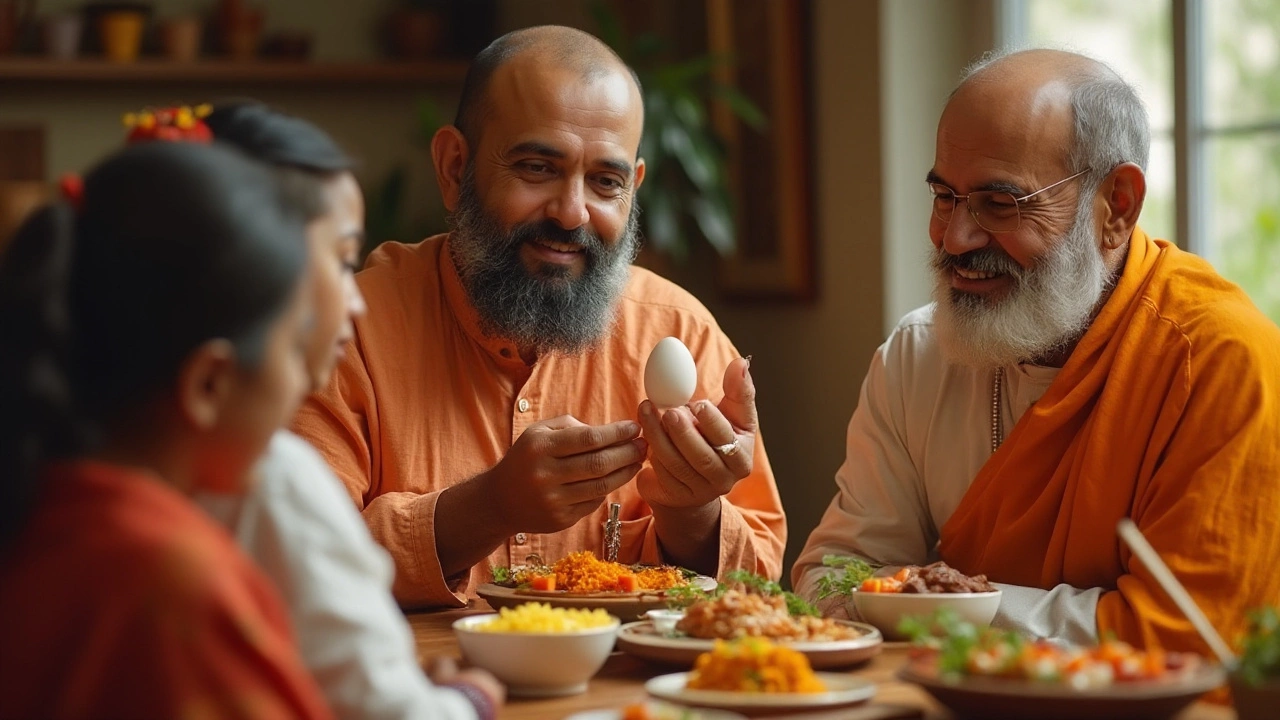
Do Indian Vegetarians Include Eggs in Their Diet?
Eggs are often considered a gray area in vegetarian diets, especially in India where dietary choices are deeply influenced by religion and tradition. This article explores the stance of Indian vegetarians on eating eggs and the various factors influencing their decision. It delves into the differences between ovo-vegetarians and traditional vegetarians, and the role of cultural values. The article also highlights some popular vegetarian dishes and the role eggs may or may not play in them.
View More